PREMIUM RESEARCH COMPOUNDS

High-Purity Research Compounds
for Scientific Discovery

Precision-tested compounds built for controlled laboratory research.

PRECISION. PURITY. ARGENT.

ELEVATED RESEARCH STANDARDS.

RESEARCH REFINED.

Built for Precision

Argent Biolabs provides carefully documented research compounds, quality-focused testing, secure packaging, and clear batch information for laboratories conducting controlled scientific studies, with high purity research peptides available for specialized research workflows and laboratory investigations nationwide.
Sealed

Induction-sealed bottles help protect premium research compounds from tampering while maintaining integrity during storage and handling.

Consistency Identity Tested

Independently tested research compounds help verify identity, purity, and concentration, supporting consistency across laboratory batches.

Research Uses Only

All materials are supplied as research chemicals for laboratory use, with no diagnostic or therapeutic application.

Pack Volume

Defined pack volumes simplify inventory planning while giving laboratories information for research chemicals for laboratory use.

Research Compounds

Explore advanced high-quality research compounds selected for laboratory studies across metabolic, recovery, mitochondrial, longevity, and nootropic research areas.

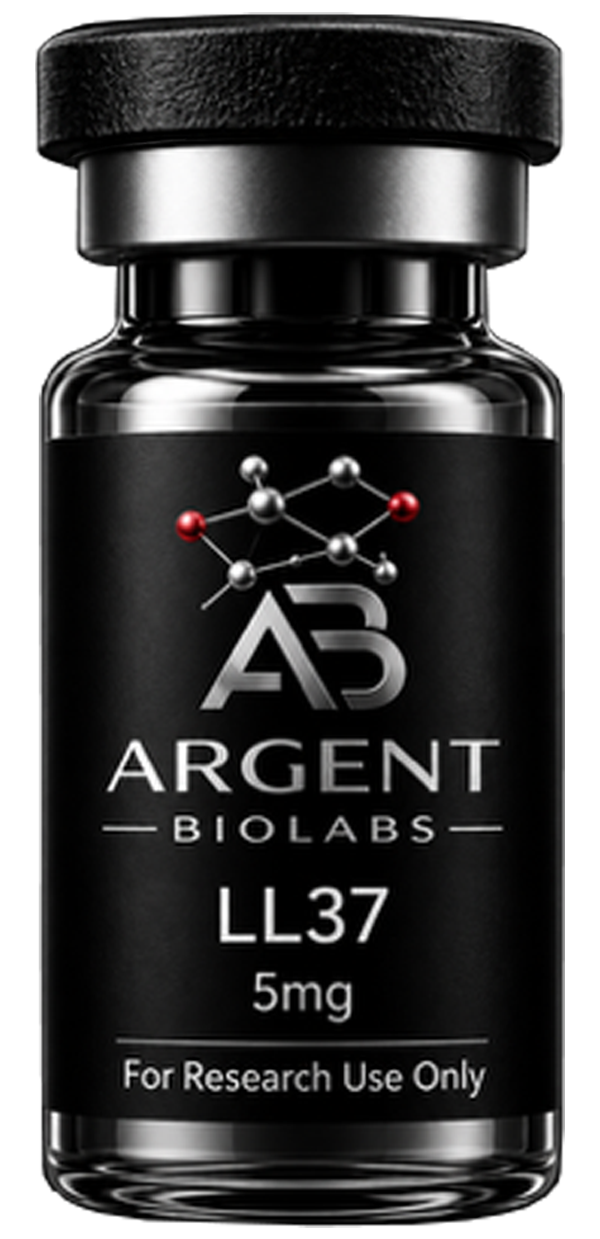
LL-37 5mg

Long before modern labs existed, living things were already making their own molecular defenders. Antimicrobial peptides are short chains of amino acids found across nature, from frogs and insects to plants and people.
LL-37 is the only member of the cathelicidin family identified in humans. It is cut from a larger precursor protein called hCAP18, and its name tells its story: 37 amino acids long, beginning with two leucines (L-L).
Researchers study LL-37 in controlled laboratory models to better understand how innate defense molecules interact with cell membranes.
#ScienceSpotlight #LL37 #PeptideResearch #Biochemistry

$100.00

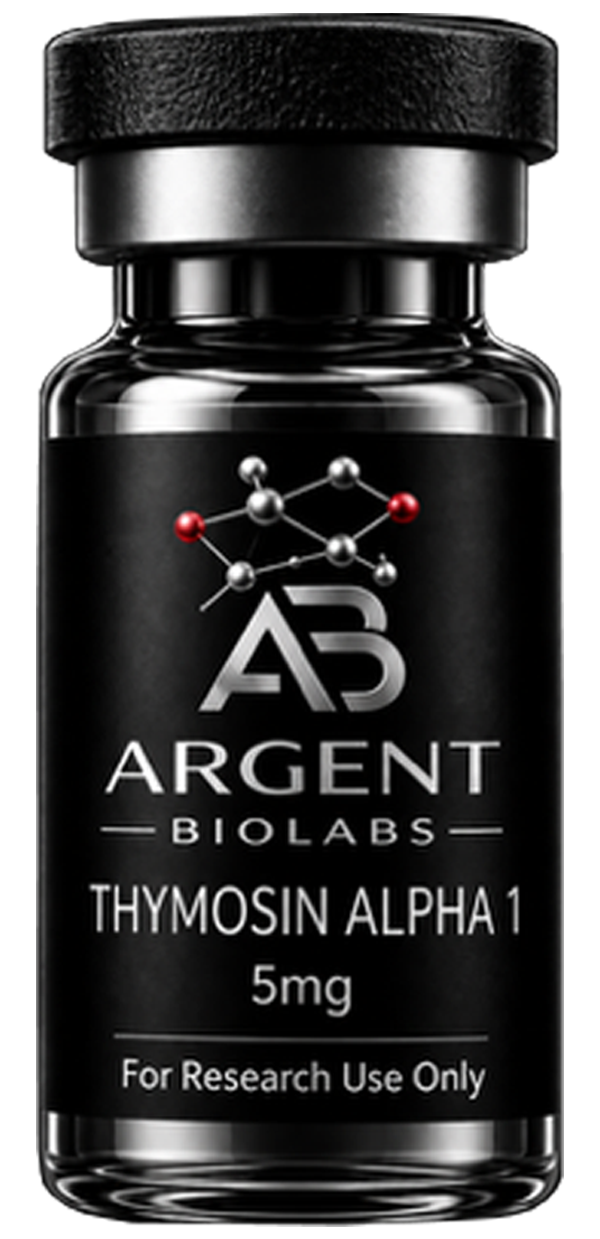
Thymosin Alpha-1 5mg

Tucked behind the breastbone sits the thymus, a small organ with a big job: it is where T cells mature. For decades scientists wondered what molecules the thymus produced.
In the 1970s, Dr. Allan Goldstein’s research group isolated Thymosin Alpha-1 from a thymus extract known as “thymosin fraction 5.” It is a 28-amino-acid peptide.
Today, Thymosin Alpha-1 remains a subject of laboratory research into immune signaling and cellular responses.
#ScienceSpotlight #ThymosinAlpha1 #Immunology #PeptideResearch

$100.00

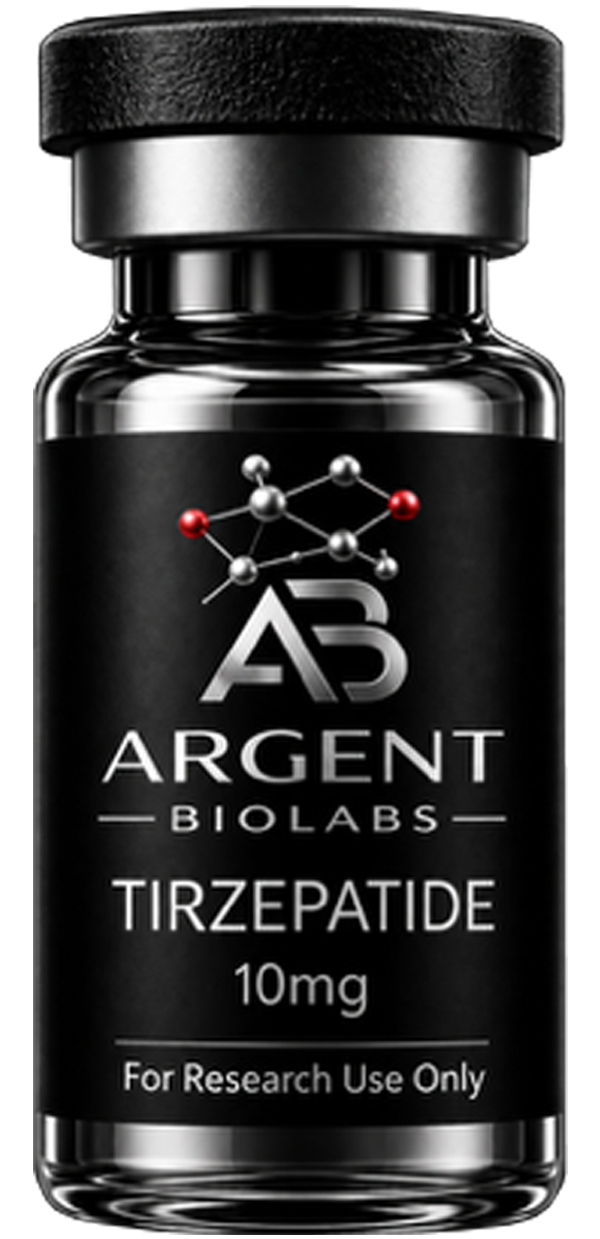
Tirzepatide 10mg

When nutrients reach the gut, the body releases messenger hormones called incretins. The two best known are GIP (glucose-dependent insulinotropic polypeptide) and GLP-1 (glucagon-like peptide-1).
GIP was identified in the 1970s and GLP-1 in the 1980s, and both act on their own receptors. Tirzepatide is a 39-amino-acid synthetic peptide designed to interact with both GIP and GLP-1 receptors, making it a “dual agonist.”
That dual-receptor design makes it a subject of laboratory study in metabolic research models.
#ScienceSpotlight #Tirzepatide #Incretins #MetabolicResearch

$100.00

KLOW 80mg

Some research questions involve more than one molecule at a time. Peptide blends combine multiple peptides into a single lyophilized (freeze-dried) vial, so researchers can work with a defined combination from one source.
KLOW is an 80mg research blend. Every lot’s exact composition and purity is documented on its Certificate of Analysis, so researchers know exactly what is in each vial.
Lyophilization removes water at low temperature and pressure, which helps keep peptides stable during storage and shipping.
#ScienceSpotlight #KLOW #PeptideBlends #LabResearch

$100.00

SS-31 10mg

Mitochondrial research peptide investigated for cellular energy and oxidative stress pathways.

10mg

$75.00

5-Amino 1mq 10mg

Small-molecule research compound studied as an NNMT inhibitor in metabolic models.

10mg

$40.00

Semax 10mg

Neurons communicate with more than electrical signals. They also release neuropeptides, short protein chains that act as chemical messengers across the nervous system.
Semax is a synthetic seven-amino-acid peptide developed in the 1980s at the Institute of Molecular Genetics in Moscow. It is based on a fragment of ACTH (4–10), with a Pro-Gly-Pro sequence added to the end, a modification researchers use to make peptides more stable.
Semax is studied in laboratory models of neuropeptide signaling.
#ScienceSpotlight #Semax #Neuropeptides #Neuroscience

$65.00

Selank 10mg

In 1970, researchers at Tufts University described tuftsin, a naturally occurring four-amino-acid peptide (Thr-Lys-Pro-Arg), and named it after their school.
Selank was later developed at the Institute of Molecular Genetics of the Russian Academy of Sciences as a synthetic analog of tuftsin. Like Semax, it adds a Pro-Gly-Pro sequence, giving it seven amino acids in total.
Selank is investigated in controlled laboratory models of neuropeptide signaling.
#ScienceSpotlight #Selank #Tuftsin #PeptideResearch

$35.00

The
Verification
Protocol.

ARGENT STANDARD

≥99% HPLC Purity

01

Synthesis

Controlled synthesis methods maintain structural accuracy, batch consistency, and defined specifications across research compound production.

02

Third-Party Testing

Independent laboratory analysis evaluates identity, purity, and concentration, supporting third-party tested research peptides across research specifications.

03

COA Issuance

Each batch receives a Certificate of Analysis documenting results and providing research peptides with COA data.

04

Premium Packaging

Secure, laboratory-grade packaging helps protect compound integrity while supporting traceability throughout storage, handling, and research workflows.

The Voice of Precision

The Voice of Precision

Accessibility Toolbar

Age Verification

Confirm you’re 21+.