How to Assess Peptide Solubility Before Research
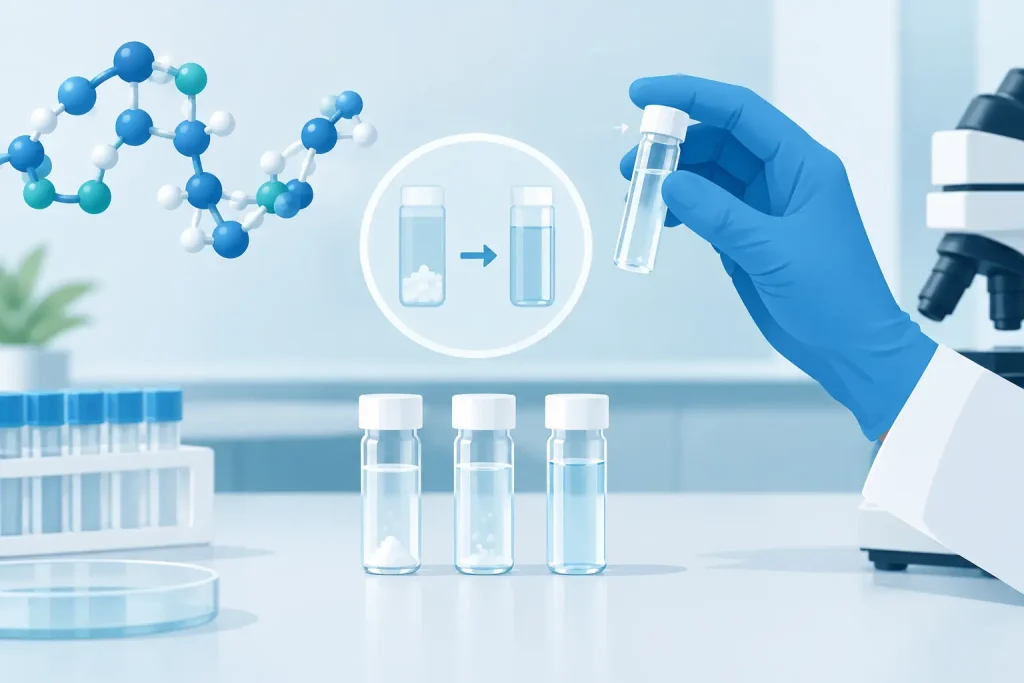
Learn how to assess peptide solubility through sequence review, controlled solvent screening, and clear documentation for dependable laboratory research.

Learn how to assess peptide solubility through sequence review, controlled solvent screening, and clear documentation for dependable laboratory research.
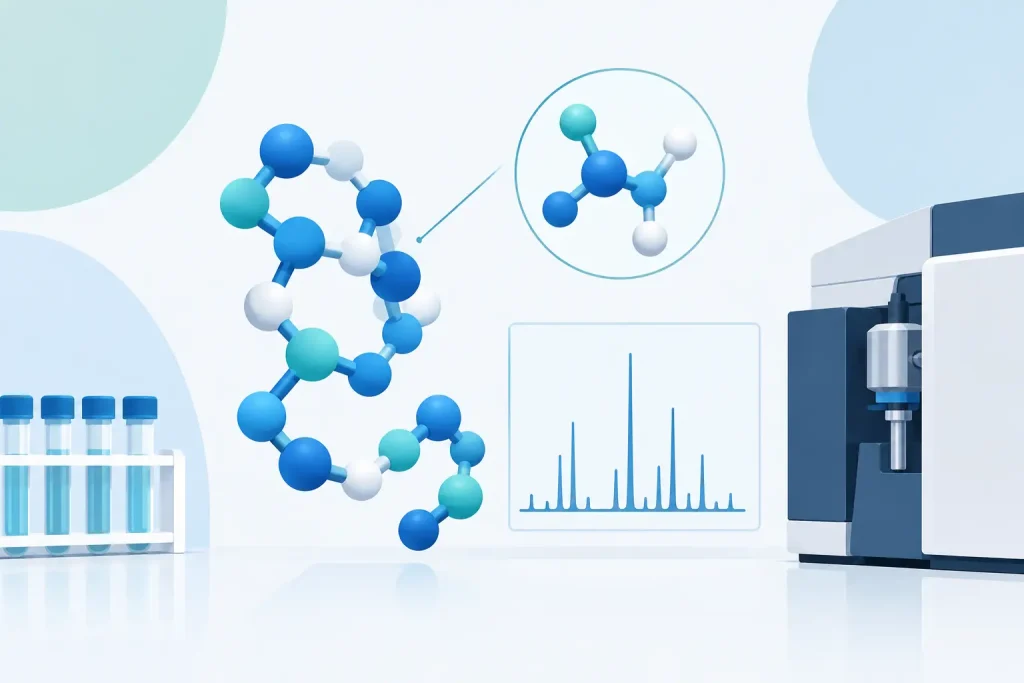
This peptide molecular weight guide explains residue mass, salt forms, purity, and label calculations for traceable, research-use-only material selection.

Peptide endotoxin testing verifies whether a high-purity research material also meets defined contamination controls and fully documented release standards.

Use this quality documentation checklist to assess identity, purity, traceability, testing, and packaging before selecting materials for laboratory research.

Learn how to detect peptide contamination with identity testing, HPLC review, mass confirmation, and controlled handling for defensible research results.
Learn how to detect peptide contamination with identity testing, HPLC review, mass confirmation, and controlled handling for defensible research results.
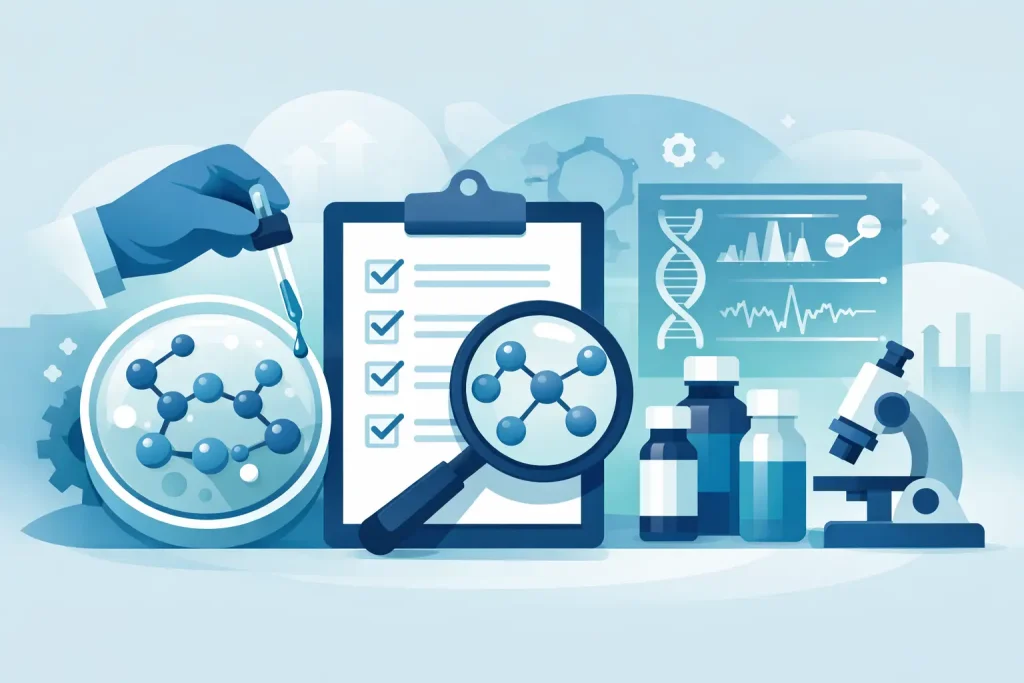
Future peptide quality standards will demand stronger identity testing, traceability, stability data, and batch-level documentation for research buyers today.

Peptide batch consistency testing verifies that identity, purity, and documentation remain aligned from one research lot to the next under strict control.

Independent versus internal lab testing reveals how identity, purity, and batch traceability should be evaluated for research compounds before purchase.
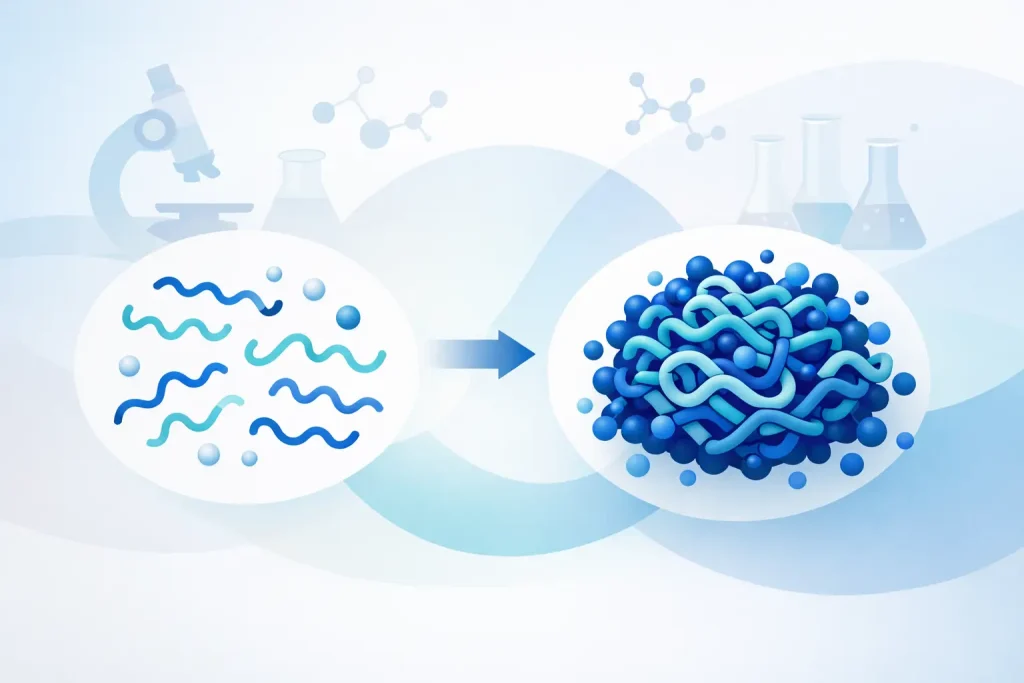
What causes peptide aggregation? Examine sequence, pH, concentration, surfaces, and handling variables that shape sample stability in laboratory research.