What Causes Peptide Degradation in Storage?
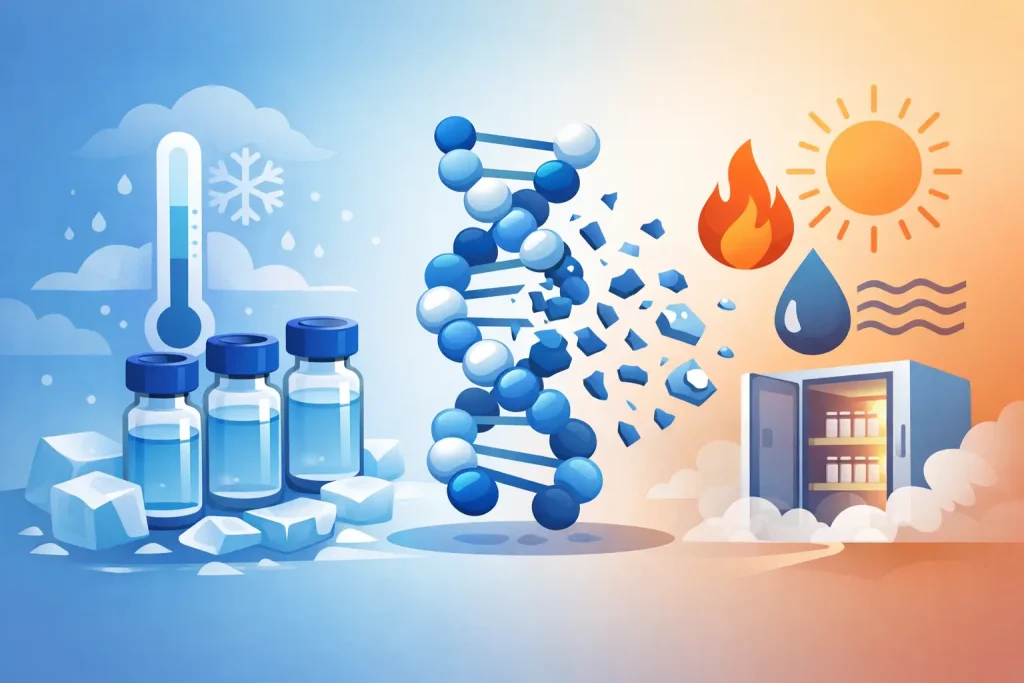
Peptide degradation can compromise identity, purity, and study consistency. Learn the conditions, pathways, and controls that protect analytical integrity.

Peptide degradation can compromise identity, purity, and study consistency. Learn the conditions, pathways, and controls that protect analytical integrity.
Use this research peptide checklist to assess identity, purity, batch documentation, packaging, traceability, and research-use controls before ordering.
This peptide procurement guide sets a disciplined standard for evaluating identity, purity, traceability, documentation, packaging, and research-only fit.
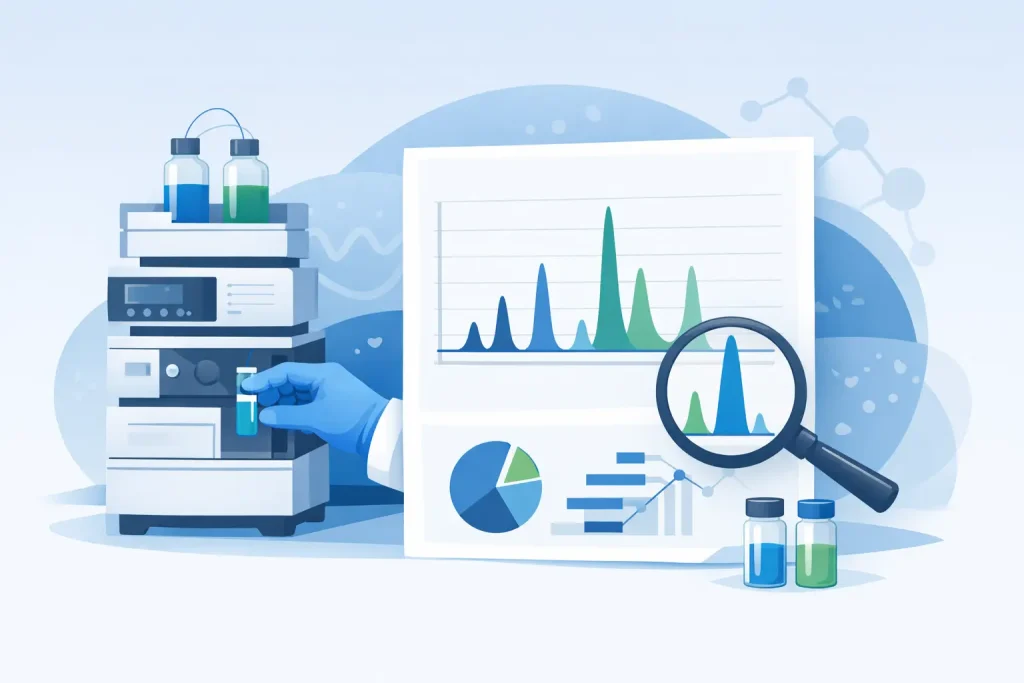
Learn how to interpret HPLC chromatogram reports by reviewing retention time, peak area, purity, baseline quality, and batch traceability with COA data.
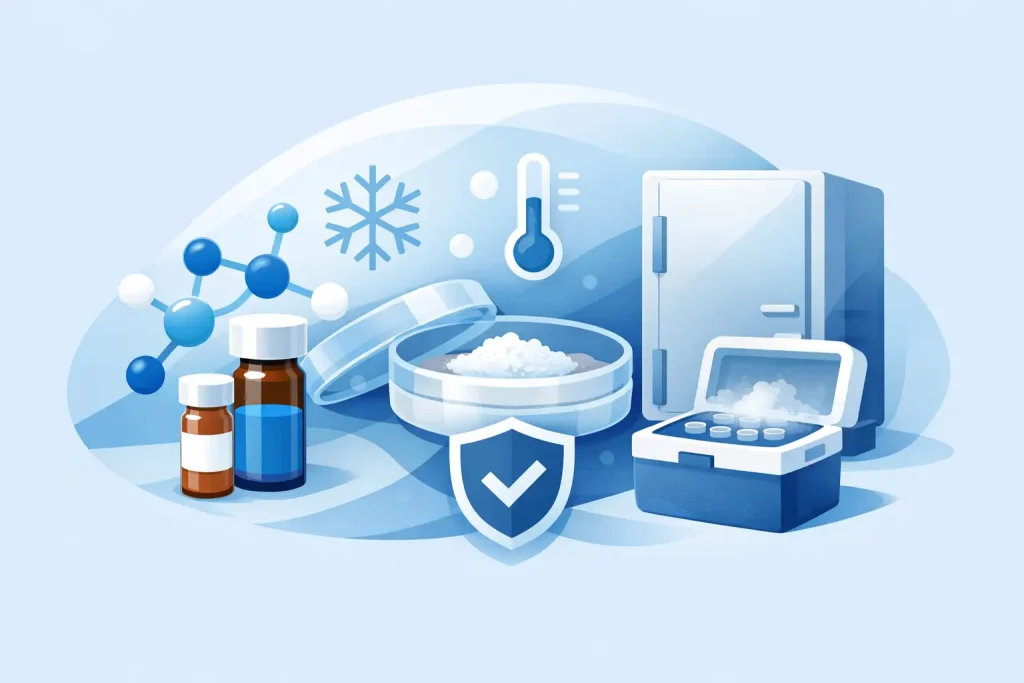
Peptide storage conditions protect verified research materials from avoidable degradation. Control temperature, light, moisture, and handling on receipt.
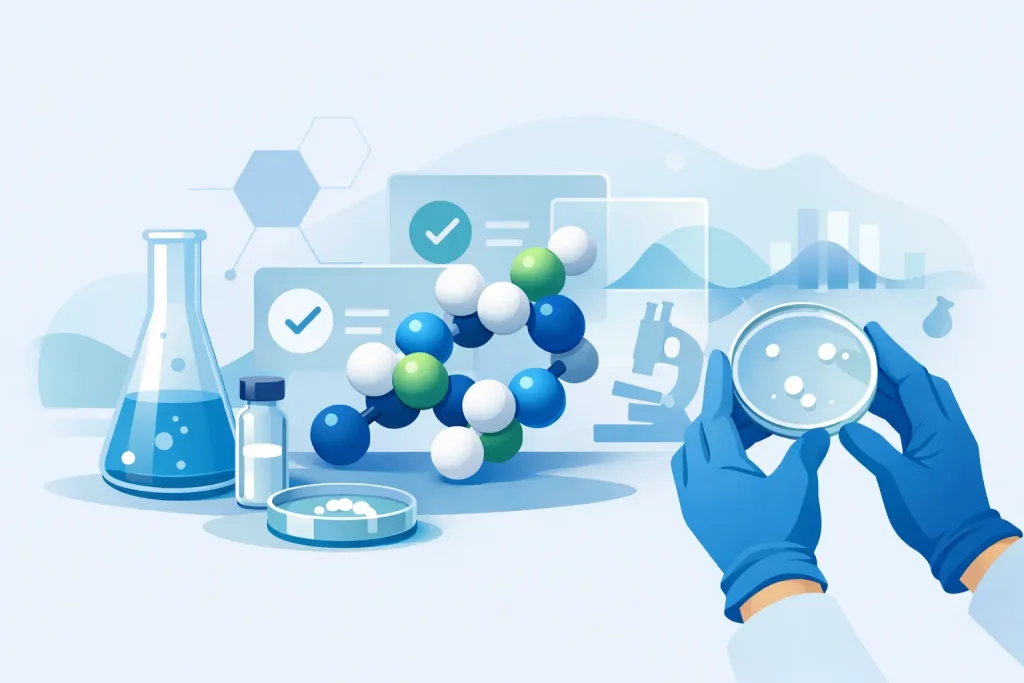
Peptide purity standards extend beyond one HPLC result, combining identity testing, COAs, batch control, and appropriate methods for reliable research.
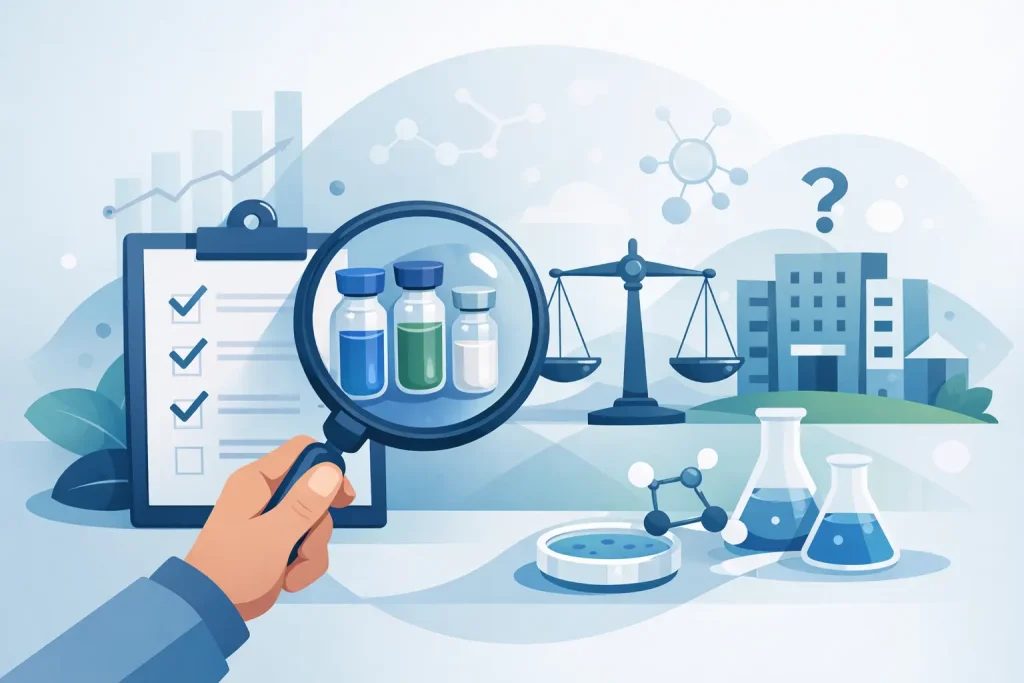
A peptide supplier comparison for research buyers: assess identity, purity, batch COAs, packaging, and documentation before selecting materials well.
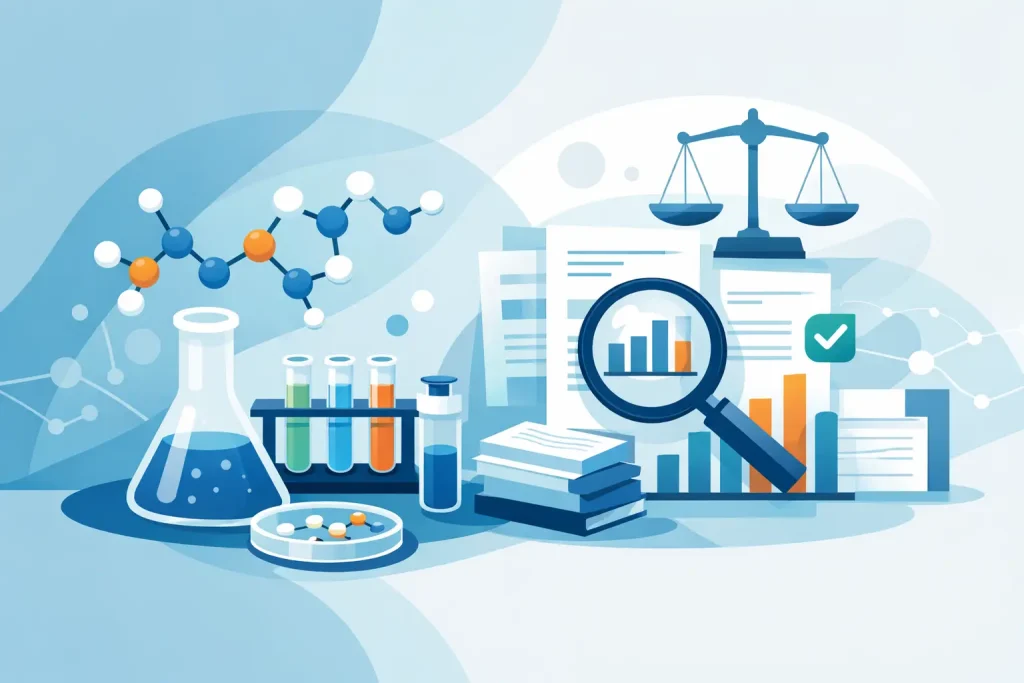
Peptide synthesis determines identity, purity, and reproducibility. See how synthesis, HPLC testing, COAs, and packaging support higher research quality.
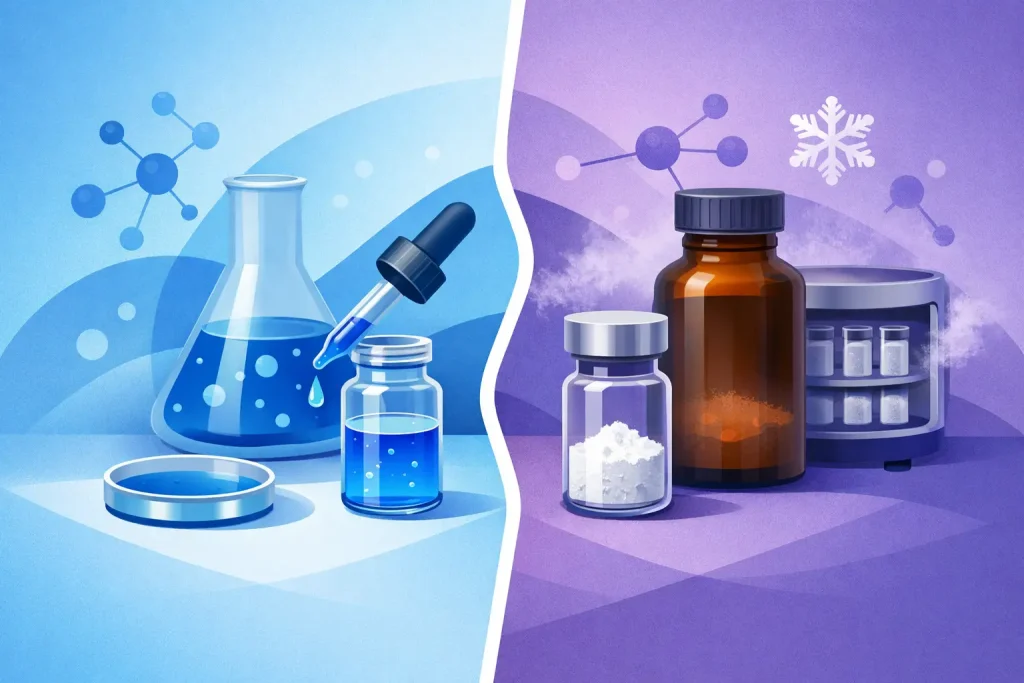
Liquid versus lyophilized research compounds differ in stability, handling, and documentation. Learn what researchers should verify before selection carefully.
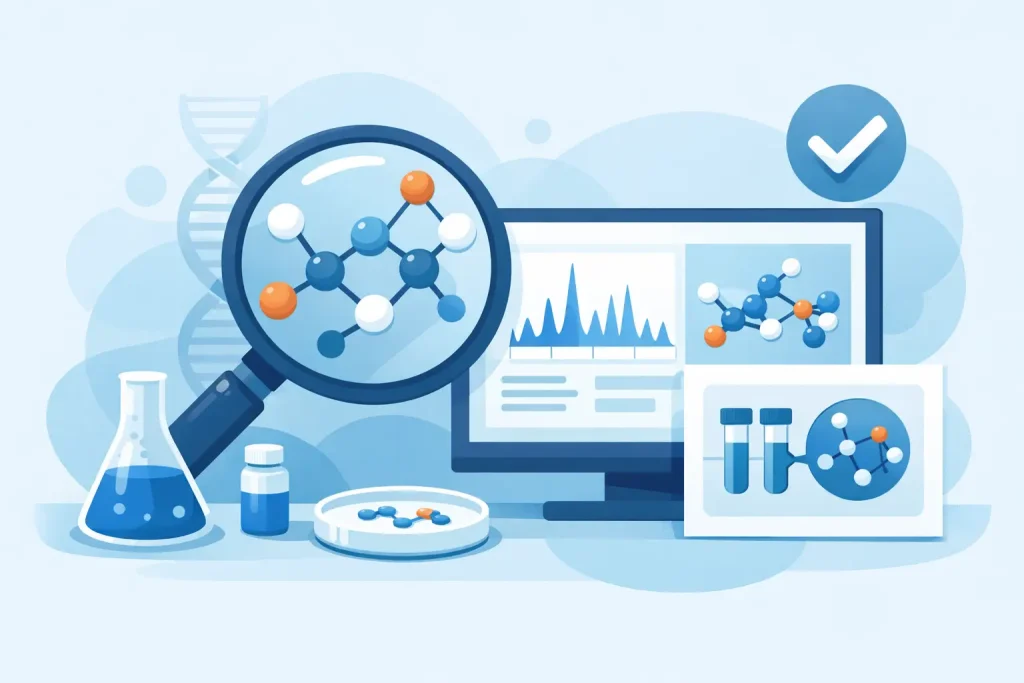
Learn how to confirm peptide identity using mass spectrometry, chromatographic comparison, sequencing, and batch documentation for reliable research.